How Long Does Dry Ice Last in a Cooler? A Practical Guide for Camping, Road Trips, and Shipping
See real-world melt times by cooler type, freezer, shipping box, water, and room air, plus timing tips so it stays useful when needed for camping, trips, and...
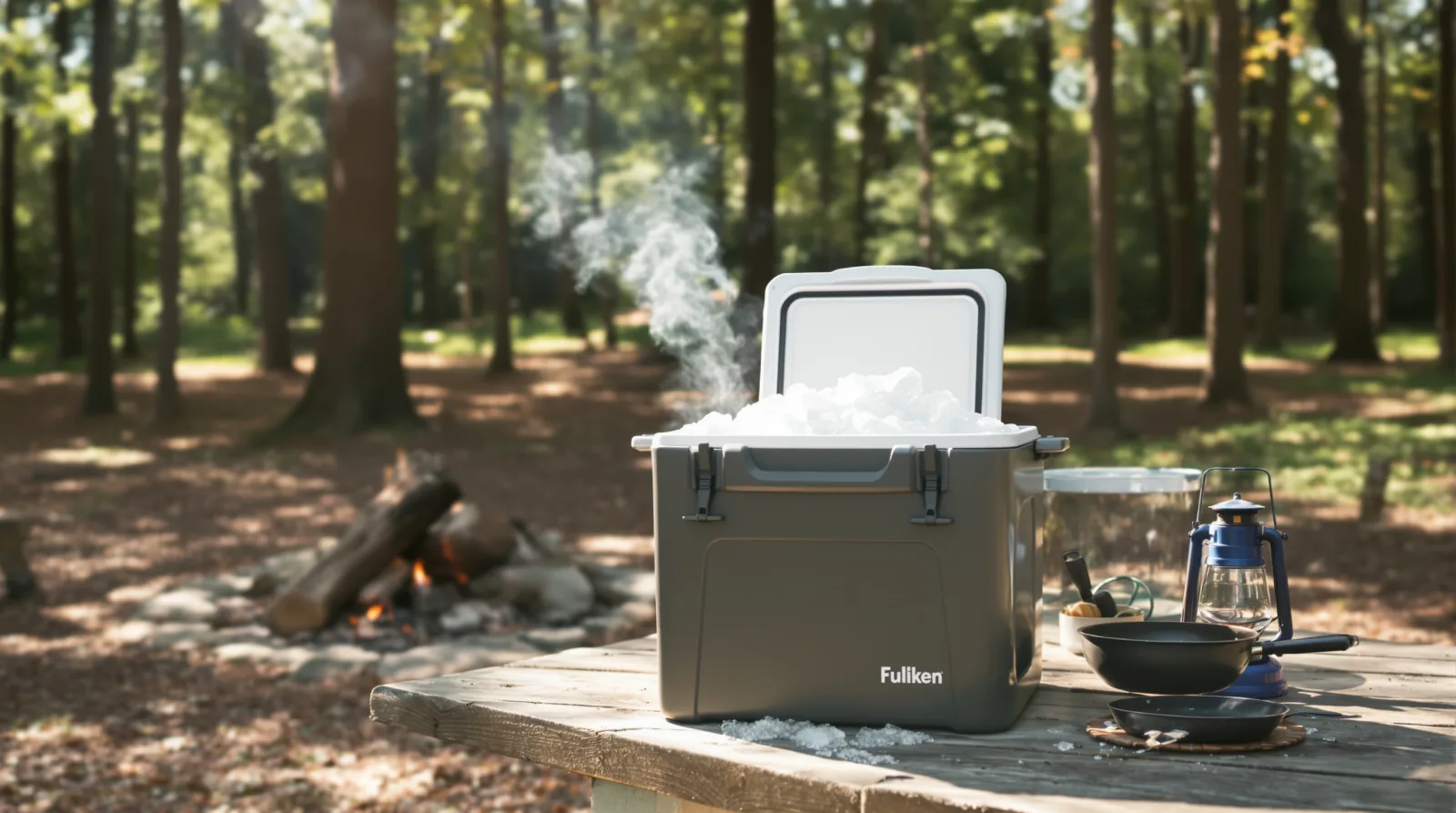
Dry ice in a decent cooler often lasts about a day, and you can stretch it longer with more dry ice, thicker insulation, less empty air, and fewer lid openings. The average customer rating across the 58 listings screened is 4.5 out of 5. That number is useful when you shop for a cooler, but it does not change the basic physics inside the box. Dry ice turns straight into carbon dioxide gas instead of melting into water, so your packing plan affects both cold time and safety.
For camping and road trips, treat dry ice as a short clock that starts running the moment you buy it. Keep it in the cooler until you need it, wrap the blocks in newspaper or cardboard so they do not burn hands or crack delicate food packaging, and pack frozen items closest to the dry ice. Fill gaps with towels, paper, or regular ice if the cooler has room, because empty space warms faster every time you open the lid.
Ventilation matters. Do not latch dry ice inside an airtight container, and do not ride or sleep with a dry ice cooler in a sealed cabin, trunk pass-through, tent, or small room. For shipping, use packaging made for venting carbon dioxide gas and check carrier rules before you tape the box, since pressure buildup is the problem you are trying to avoid.
Frequently Asked Questions
How long will dry ice last in a Styrofoam cooler?
Dry ice usually lasts about 18 to 24 hours in a Styrofoam cooler. The exact time depends on block size, cooler thickness, outside temperature, how often you open it, and how much empty air space sits inside.
Can you keep dry ice in a freezer to make it last longer?
No, a home freezer will not make dry ice last longer in any useful way. Dry ice is far colder than a freezer, so it still turns to gas and can force the appliance to work harder.
How long does dry ice last at room temperature?
Dry ice at room temperature can disappear in a few hours, depending on the piece size and airflow. A small pellet goes fast, while a large block lasts longer, but it still vents carbon dioxide the whole time.
Can dry ice make a cooler explode?
Yes, dry ice can rupture or pop a sealed cooler if gas has nowhere to escape. Use a vented cooler or leave the drain plug slightly open, and never latch it airtight or tape every seam shut.
How do you use dry ice in a Yeti cooler safely?
Use dry ice in a Yeti cooler with gloves, ventilation, and a path for gas to escape. Put cardboard or a towel between the dry ice and food, and check Yeti guidance for your exact cooler model.
How long does dry ice last when shipping frozen food?
Dry ice commonly lasts 24 to 48 hours in a well packed shipping cooler. Transit time, insulation, dry ice weight, box size, and weather all matter, so use enough dry ice for delays and follow carrier rules.
Does dry ice last overnight in a cooler?
Yes, dry ice can last overnight in a cooler if you use enough of it and keep the lid closed. A small amount in a thin cooler may be gone by morning, especially in warm conditions.
What happens if dry ice touches water?
Dry ice touching water makes heavy fog and speeds up how fast the dry ice turns to gas. The water can bubble hard, splash, and get very cold, so keep skin away and use good airflow.
The Bottom Line
Day trip with drinks and lunch: skip dry ice and use regular ice or freezer packs. You open the cooler too often, and you probably want food chilled, not frozen.
Weekend camping food: choose dry ice if the cooler holds frozen meals, meat, or ice cream. It keeps that side of the food box hard frozen longer than regular ice, and you can pair it with a separate drink cooler so every soda grab does not cost you cold air.
Long drive with frozen meat: dry ice is the pick. Pack the cooler tight, keep it closed, and treat the food like cargo you do not need until you arrive.
Jack Fletcher
Founder & Outdoor Editor at CampingKnow
Jack writes about camping gear, tents, sleep systems, campsite comfort, and the practical details
that make the difference between a great night outdoors and a miserable one. His approach is simple:
look past the marketing, understand the specs, consider how the gear will actually be used, and make
the trade-offs clear.